
Exploring the Great Outdoors: A Guide to Budget-Friendly and Eco-Conscious Travel
The allure of the great outdoors has never been more pronounced, especially as travelers seek refuge from the hustle and bustle of urban life. In recent years, outdoor travel has surged in popularity, with a notable shift towards budget-friendly and eco-conscious options. According to a report by the Adventure Travel Trade Association, the adventure travel market was valued at approximately $683 billion in 2021, with a projected growth rate of 10% annually. This growth reflects a significant change in consumer behavior, as more individuals prioritize experiences over material possessions.
Key Insight: The increasing demand for outdoor experiences indicates a shift in consumer values towards sustainability and adventure, suggesting that businesses in the travel sector must adapt to these evolving preferences.
Budget-friendly travel has become a focal point for many adventurers. With the rising costs of living, travelers are more inclined to seek out affordable options that do not compromise on experience. Camping, hiking, and road trips have emerged as popular choices, allowing individuals to explore nature without breaking the bank. For instance, a recent survey revealed that 62% of travelers are opting for camping trips as a cost-effective way to enjoy the outdoors. This trend is not only economical but also fosters a deeper connection with nature, as campers often find themselves in remote locations away from the distractions of modern life.
Moreover, the DIY travel movement has gained traction, empowering travelers to curate their own experiences. With the rise of social media platforms like Instagram and Pinterest, individuals are inspired to create personalized itineraries that reflect their interests and budgets. This shift towards DIY travel has led to an increase in the use of travel apps and websites that provide resources for planning outdoor adventures. For example, platforms like AllTrails and Komoot have seen a significant uptick in users, with AllTrails reporting a 50% increase in downloads over the past two years. These tools enable travelers to discover new trails, plan routes, and share their experiences with a community of like-minded adventurers.
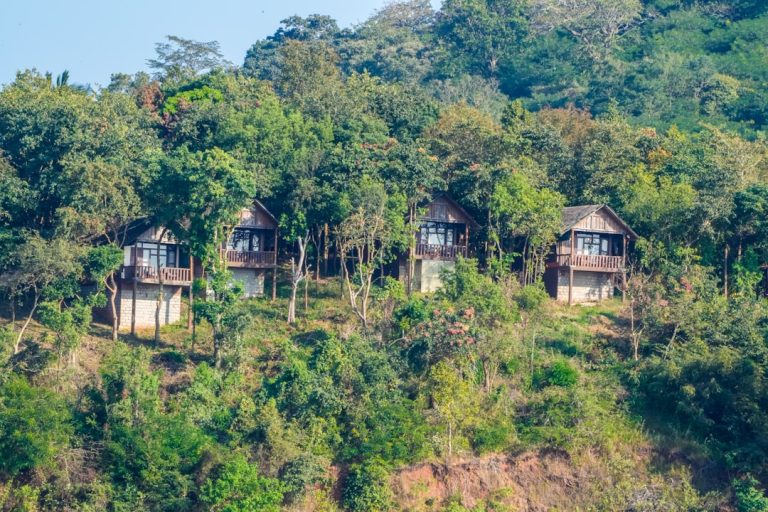
In addition to budget considerations, eco-conscious travel is becoming a priority for many outdoor enthusiasts. The impact of climate change has prompted travelers to seek sustainable options that minimize their carbon footprint. A survey conducted by Booking.com found that 83% of global travelers believe that sustainable travel is vital, with 61% stating that they would be willing to pay more for eco-friendly accommodations. This growing awareness has led to an increase in eco-lodges, sustainable tour operators, and green travel initiatives, making it easier for travelers to make environmentally responsible choices.
As the outdoor travel market continues to evolve, several trends are emerging that reflect the changing landscape. One notable trend is the rise of wellness travel, where individuals seek outdoor experiences that promote physical and mental well-being. Activities such as yoga retreats in nature, hiking excursions, and mindfulness workshops are gaining popularity as travelers look to rejuvenate their minds and bodies. This trend aligns with the broader movement towards holistic health and self-care, further emphasizing the importance of nature in our lives.
Another trend is the increasing accessibility of outdoor experiences. Organizations and companies are working to ensure that outdoor activities are inclusive for all individuals, regardless of ability. Adaptive outdoor programs are on the rise, providing opportunities for people with disabilities to engage in activities such as kayaking, rock climbing, and hiking. This shift towards inclusivity not only enriches the outdoor community but also fosters a sense of belonging among diverse groups of travelers.
In conclusion, the outdoor travel landscape is undergoing a transformation driven by budget-consciousness, eco-awareness, and a desire for personalized experiences. As travelers continue to prioritize adventure and sustainability, the industry must adapt to meet these demands. By embracing these trends, businesses can not only thrive in a competitive market but also contribute to the preservation of our planet’s natural beauty. The great outdoors awaits, and with it, a world of possibilities for those willing to explore.