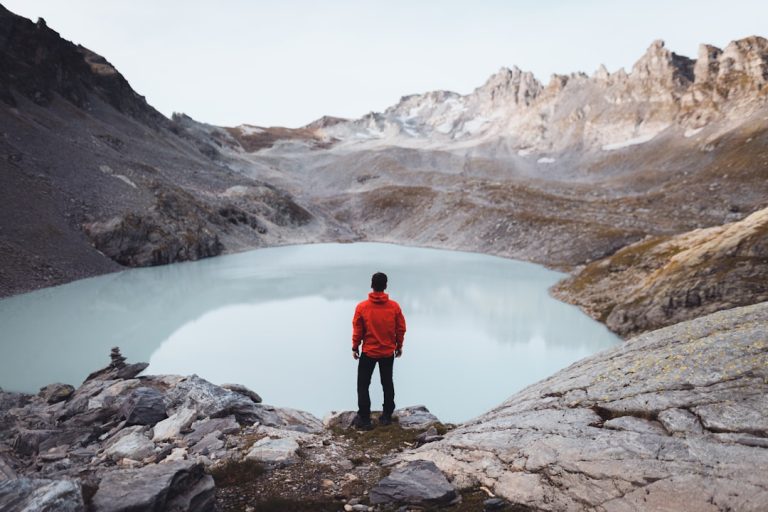

Exploring the Great Outdoors: A Guide to Budget-Friendly and Eco-Conscious Travel
In recent years, the outdoor and travel industry has witnessed a significant transformation, driven by changing consumer preferences and a growing awareness of environmental issues. As more travelers seek to reconnect with nature, the demand for outdoor experiences has surged, leading to a boom in eco-friendly travel options and budget-conscious adventures. This article delves into the latest trends in outdoor travel, backed by market statistics and consumer behavior insights, to help you plan your next adventure while being mindful of your budget and the environment.
According to a recent report by the Adventure Travel Trade Association, the adventure travel market is projected to reach $1,626 billion by 2026, growing at a compound annual growth rate (CAGR) of 17.4%. This growth is fueled by a shift in consumer behavior, with 62% of travelers indicating they prefer experiences over material possessions. This trend is particularly pronounced among millennials and Gen Z, who prioritize meaningful travel experiences that allow them to immerse themselves in nature and local cultures.
Key Insight: The increasing preference for experiential travel suggests that outdoor adventures will continue to dominate the travel landscape, presenting opportunities for budget-friendly and eco-conscious options.
Budget-friendly outdoor travel is not just a trend; it’s a necessity for many. With the average American spending around $1,200 on travel annually, finding ways to reduce costs while maximizing experiences is crucial. One effective strategy is to explore lesser-known destinations. National parks and outdoor areas often have hidden gems that offer stunning landscapes and unique experiences without the crowds and high prices of more popular locations. For instance, instead of visiting Yellowstone, consider exploring the lesser-known but equally breathtaking Grand Teton National Park.
Camping is another budget-friendly option that allows travelers to experience the great outdoors without breaking the bank. The North American Camping Report indicates that 48% of campers plan to camp more in 2023 than they did in 2022, highlighting a growing interest in this cost-effective travel method. DIY camping trips can be tailored to fit any budget, from car camping with friends to solo backpacking adventures. Additionally, many campgrounds offer affordable rates, and some even provide free camping options on public lands.
Eco-conscious travel is also on the rise, with 70% of travelers expressing a desire to travel sustainably. This shift is prompting outdoor brands and travel companies to adopt more environmentally friendly practices. For example, many outdoor gear companies now offer rental services, allowing travelers to access high-quality equipment without the need for costly purchases. This not only saves money but also reduces waste and promotes a circular economy.
Moreover, travelers are increasingly seeking out eco-friendly accommodations. A survey by Booking.com found that 81% of global travelers feel strongly that people should be more sustainable in their travel choices. This has led to a rise in eco-lodges, glamping sites, and sustainable hotels that prioritize environmental stewardship. By choosing these options, travelers can enjoy their adventures while minimizing their carbon footprint.
In addition to accommodations, transportation plays a crucial role in sustainable travel. Opting for public transportation, carpooling, or even biking can significantly reduce the environmental impact of your trip. A report by the International Council on Clean Transportation found that switching from driving to public transport can reduce greenhouse gas emissions by up to 45%. This not only benefits the planet but can also lead to cost savings, as public transport is often more affordable than driving.
As we look to the future of outdoor travel, it’s clear that the intersection of budget-consciousness and eco-friendliness will shape the industry. Travelers are becoming more discerning, seeking experiences that align with their values while also being mindful of their wallets. By embracing these trends, you can embark on unforgettable outdoor adventures that are both affordable and sustainable.
In conclusion, the outdoor travel landscape is evolving, with a clear shift towards budget-friendly and eco-conscious options. By staying informed about market trends and consumer preferences, you can make informed choices that enhance your travel experiences while contributing to a healthier planet. Whether you’re planning a weekend camping trip or a cross-country hiking adventure, the great outdoors awaits, offering endless opportunities for exploration and connection.